PRP Eye Drops
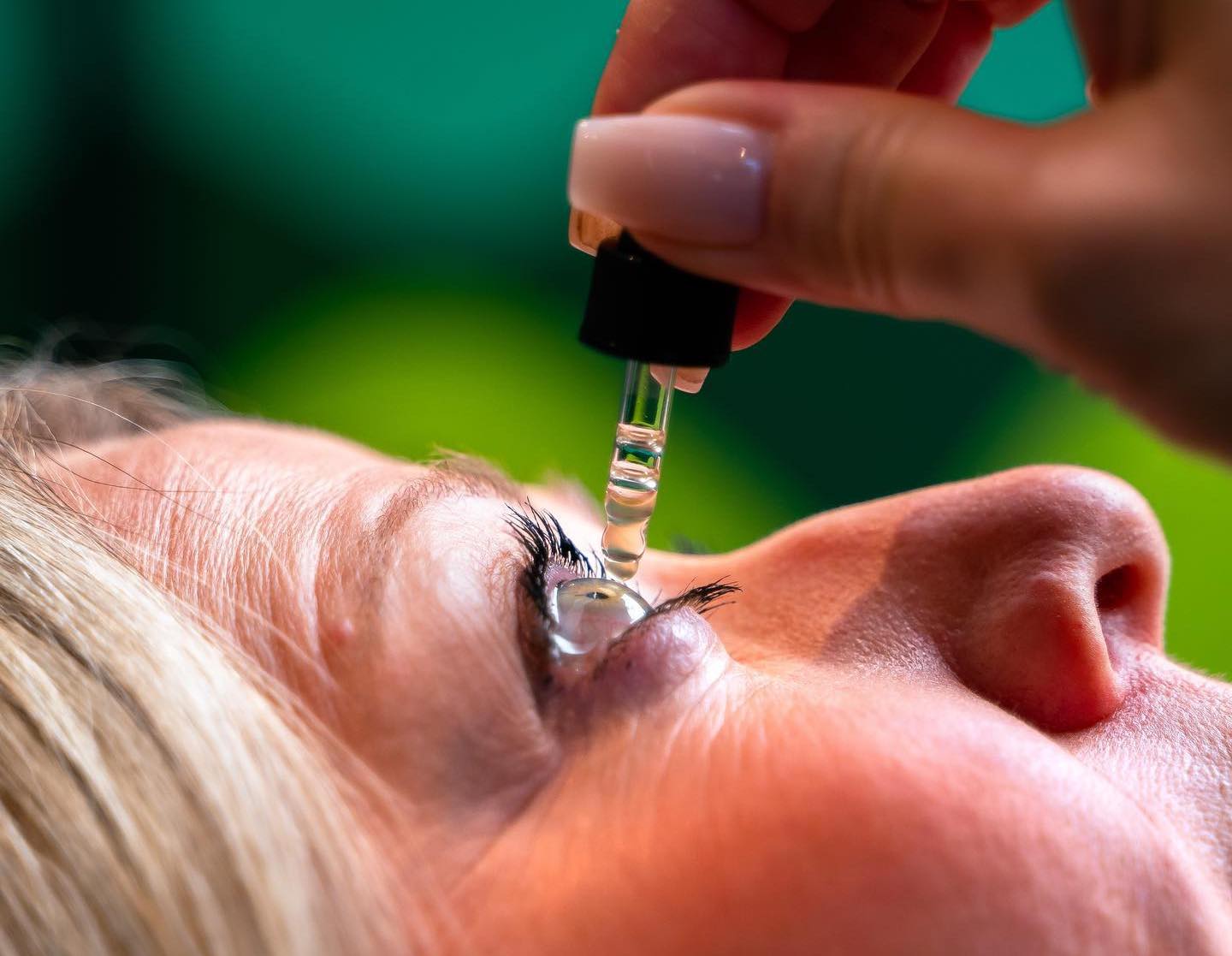
PRP eye drops are made from your own blood and support corneal healing by delivering concentrated growth factors directly to the eye’s surface, helping repair damage that standard eye drops can’t fix on their own.
If you’ve been using drops for months with no real change, this is often why. You’re treating the dryness. You’re not treating the healing problem underneath it.
What Is PRP, and How Does It Support Corneal Healing?
PRP stands for platelet-rich plasma. It’s made by drawing a small amount of your own blood and concentrating the platelets, the cells your body already uses to repair damaged tissue.
Those platelets are packed with growth factors. When delivered as eye drops, they support your cornea’s natural repair process in a way that artificial tears, which only add moisture, cannot.
In short: PRP doesn’t just lubricate the eye. It supplies the biological building blocks your cornea needs to heal.
Myth vs. Fact: What Patients Get Wrong About PRP
Myth: PRP is only for patients who’ve run out of other options.
Fact: Dry eye disease often worsens the longer it goes untreated. Waiting until every other treatment has failed can mean waiting until more damage has already occurred. PRP can be worth discussing earlier than most patients assume, not only as a last resort.
Myth: PRP eye drops are the same as other biologic eye drops, like autologous serum.
Fact: They’re not. PRP keeps the platelets, the part of your blood richest in healing growth factors. Other blood-derived drops, like autologous serum, often remove the platelets during preparation, which means fewer growth factors reach your eye.
Myth: PRP is too expensive to be worth trying.
Fact: A three-month supply typically costs $400 to $600 and isn’t usually covered by insurance. It costs more than a bottle of artificial tears, but for patients who’ve struggled for months or years with no improvement, many find it’s worth trying once they understand what it actually does.
Who Is a Candidate for PRP Eye Drops?
PRP is most often considered for patients with:
- Moderate to severe dry eye disease that hasn’t responded to standard treatment
- Dry eye related to previous LASIK surgery
- Dry eye linked to autoimmune conditions
- Corneal surface damage that has plateaued on conventional therapy
PRP isn’t usually the first step for mild or newly diagnosed dry eye. It’s typically the next step once standard therapy hasn’t resolved your symptoms.
How Are PRP Eye Drops Used?
- Drops are typically used 4 to 6 times per day
- A standard course runs about 3 months
- One blood draw generally provides a full 3-month supply
- Drops must be kept refrigerated or frozen between uses
The Honest Nuance
PRP supports your eye’s own healing process. It isn’t a cure, and it isn’t a substitute for finding out what’s actually causing your dry eye in the first place.
That’s why PRP is usually discussed after a full evaluation, once your care team understands exactly what’s driving your symptoms, not as a first conversation.
Not sure if PRP is right for you? Take our 2-Minute Dry Eye Assessment to find out what’s driving your symptoms and whether PRP could help.
Frequently Asked Questions
Does PRP eye drop treatment hurt?
No. The treatment involves a standard blood draw, similar to routine bloodwork, followed by using the resulting drops at home.
How long does it take to see results from PRP eye drops?
Most patients use PRP drops for a full 3-month course before reassessing results with their optometrist, though some notice improvement sooner.
Is PRP covered by insurance?
Typically not. Most patients pay out of pocket, with a 3-month supply generally costing $400 to $600.
Can PRP be combined with other dry eye treatments?
Yes. PRP is often used alongside other treatments, such as in-office procedures or prescription therapies, as part of a broader treatment plan.
Have You Heard of PRP for Dry Eyes?
If you’ve been stuck for months without real improvement, it may be worth finding out whether PRP is right for you.
Take the 2-Minute Dry Eye Assessment
Or request an appointment directly →