
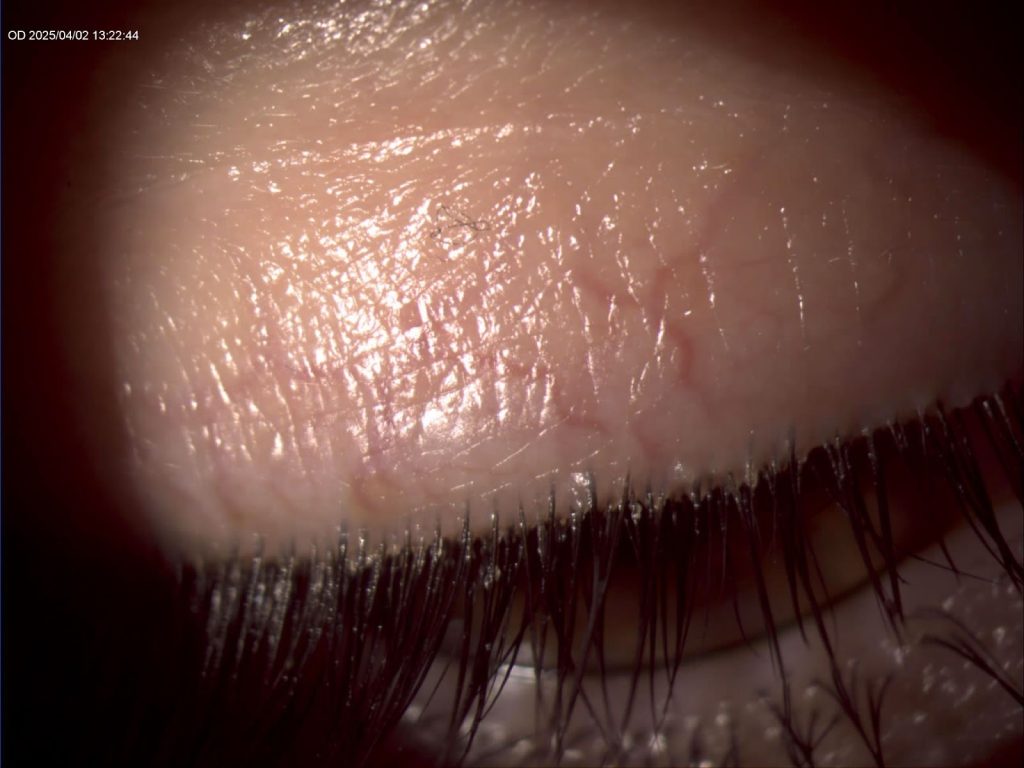
Blepharitis is a common condition that causes inflammation of the eyelids. It can lead to redness, irritation, burning, crusting of the lashes, and dry eye symptoms. In many patients, blepharitis is related to problems with the oil glands in the eyelids, also called meibomian gland dysfunction.
Because several factors can contribute to blepharitis, treatment often requires more than basic drops or warm compresses. A detailed dry eye evaluation allows us to examine the eyelid glands, tear film, and surface of the eye to determine the cause and choose the most appropriate treatment.
Schedule a comprehensive dry eye consult with Dr. Madan
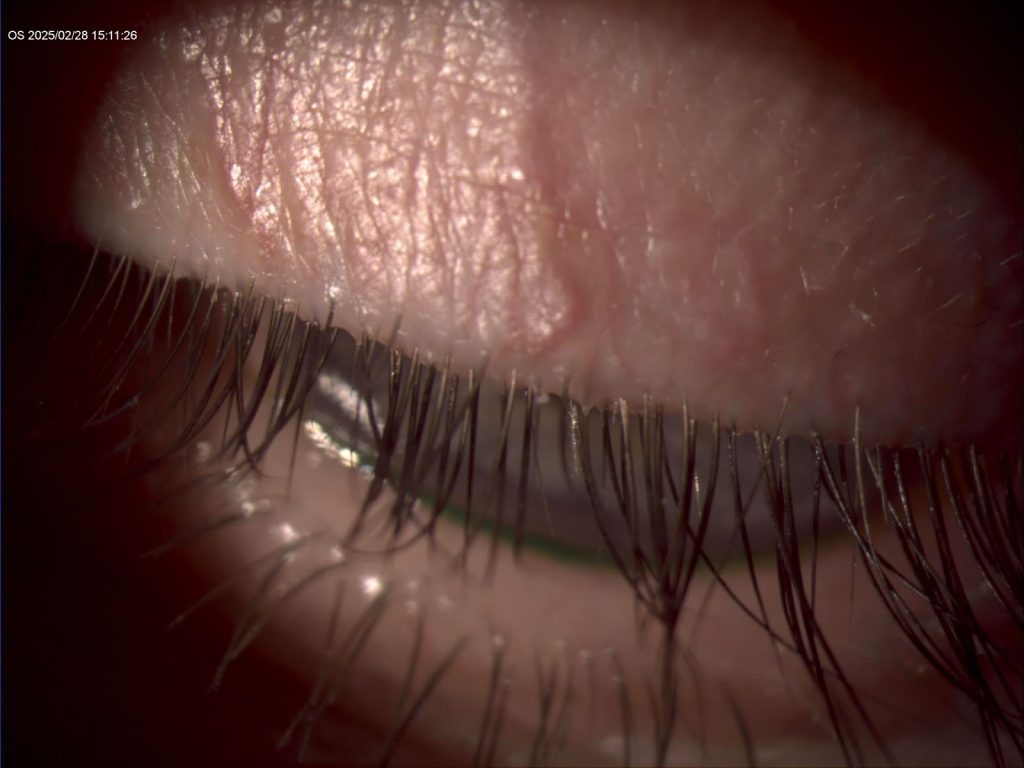
Common symptoms of blepharitis
Patients with blepharitis may notice:
• Red or irritated eyelids
• Burning or stinging eyes
• Crusting around the eyelashes
• Itching or soreness of the eyelids
• Watery or dry eyes
• Fluctuating vision
• Light sensitivity
• Recurrent styes or eyelid infections
Blepharitis can be chronic, but symptoms can usually be improved with the right treatment plan.
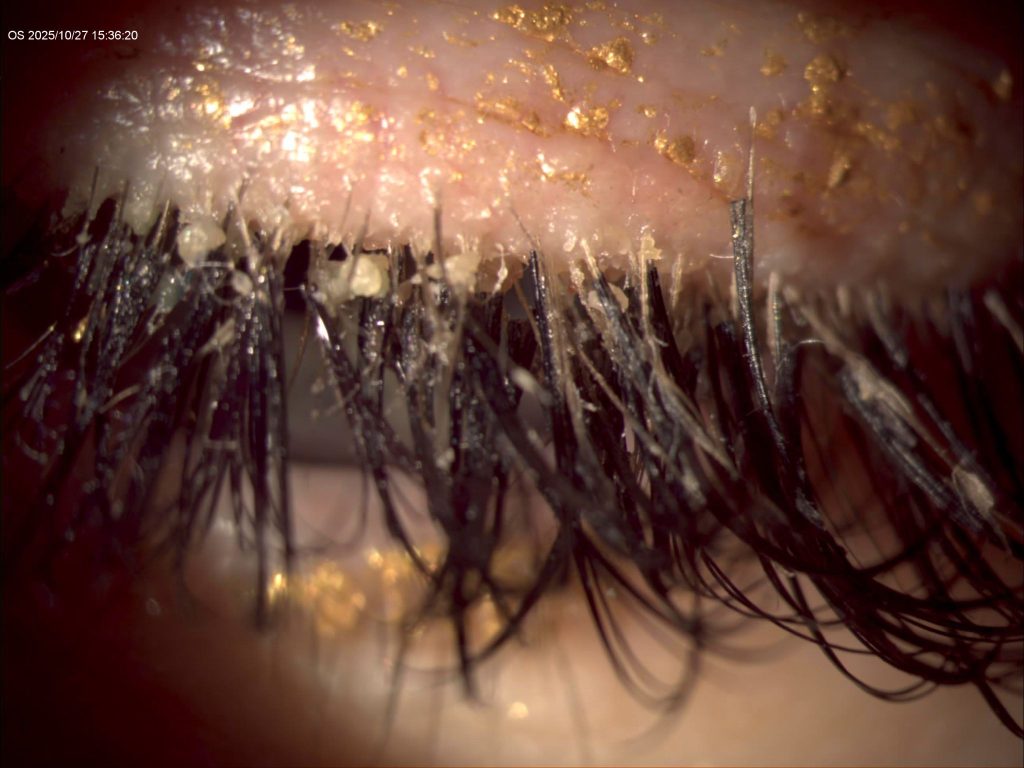
What causes blepharitis
Blepharitis often occurs when the eyelid glands do not function normally. These glands produce the oil layer of the tear film, which helps keep the surface of the eye comfortable.
Common causes include:
• Meibomian gland dysfunction
• Ocular rosacea
• Bacterial buildup along the eyelid margin
• Skin conditions affecting the eyelids
• Chronic dry eye
• Buildup along the lash line, including from makeup or eyelash extensions
Eyelash extensions, in particular, can make it more difficult to maintain proper eyelid hygiene. Adhesive residue and debris can accumulate along the lash line, contributing to irritation and inflammation in some patients.
Because the cause may be different for each patient, treatment is usually individualized.
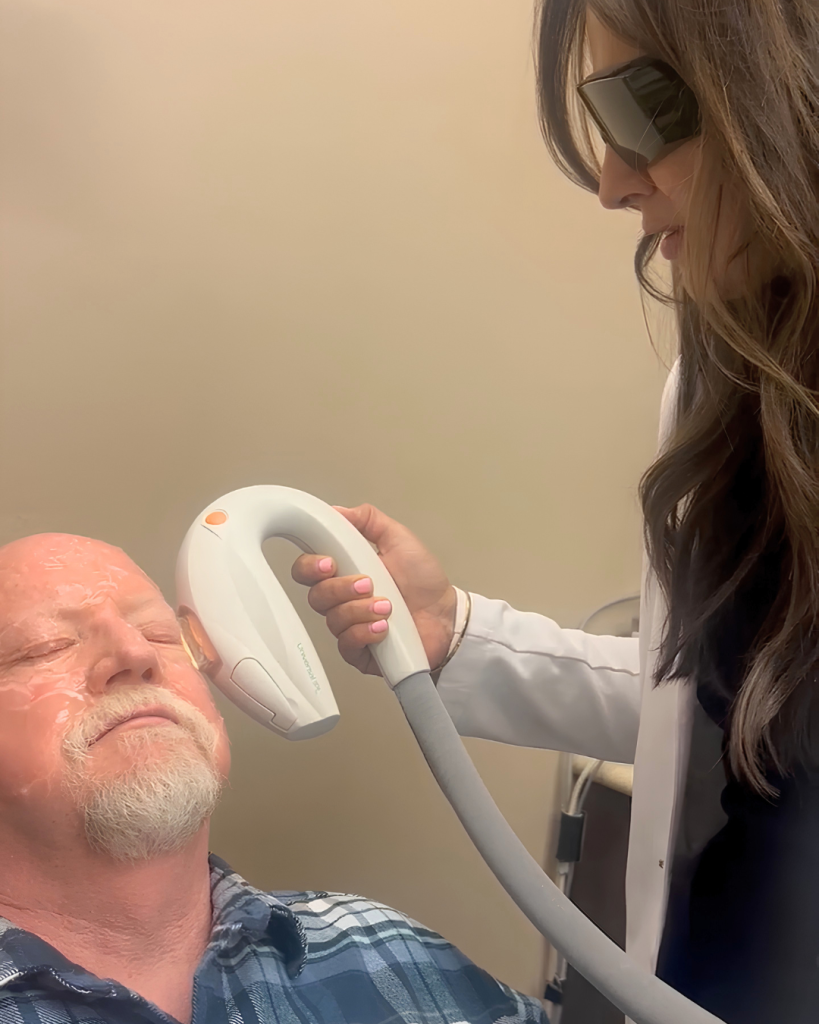
Blepharitis treatment options
Treatment depends on the type of inflammation and the health of the eyelid glands. After a detailed evaluation, one or more of the following treatments may be recommended:
• In-office eyelid cleaning (such as BlephEx or ZEST) to remove debris, bacteria, and biofilm along the lid margin
• Meibomian gland expression to clear blocked oil glands
• IPL treatment to reduce inflammation affecting the eyelids
• Radiofrequency (RF) treatment to warm the glands and improve oil flow
• Prescription or medicated eye drops when needed
• Targeted lid hygiene and home care
In many cases, combining treatments gives the best results, especially when symptoms have been present for a long time.
When to see a dry eye specialist
You may benefit from advanced testing if:
• Symptoms keep coming back
• Artificial tears do not help
• Your eyelids are often red or irritated
• You have frequent styes
• You have been told you have dry eye but still feel uncomfortable
• Your vision fluctuates during the day
Advanced dry eye testing allows us to examine the eyelid glands, tear film, and ocular surface in more detail before choosing treatment.
Book a dry eye evaluation
Blepharitis and dry eye often occur together, and treatment depends on understanding the cause of the inflammation.
A detailed evaluation can help determine whether treatments such as meibomian gland expression, IPL, or radiofrequency may be helpful.